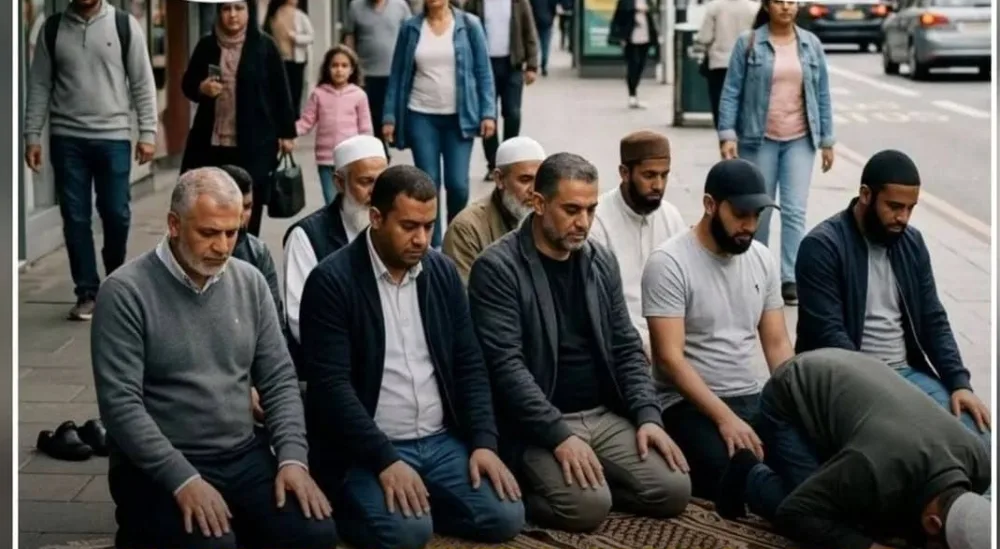
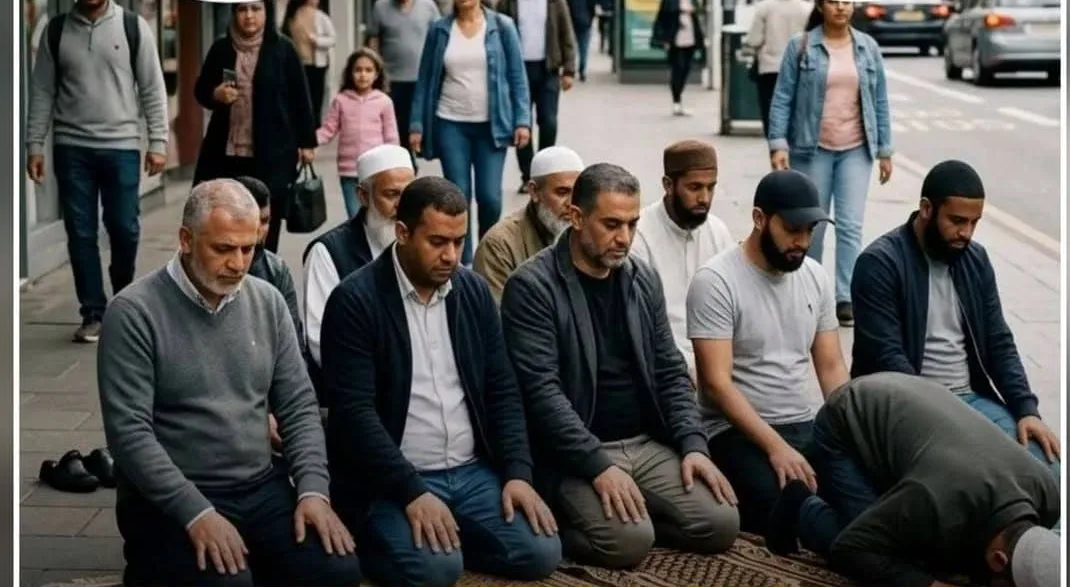
Claims that Japan has “banned mosques, public prayer, or calls to prayer” are not accurate. Japan upholds freedom of religion, and mosques and other places of worship do exist.
What can vary—both in Japan and elsewhere—are local regulations around zoning, public space, and noise.
These rules may affect activities like amplified calls to prayer, church bells, or other outdoor sound, but they are generally applied across all groups.
In the United States, religious freedom is strongly protected under the Constitution. Policies are designed to be neutral and apply equally to all faiths. In practice, this typically means:
• Religious communities can establish places of worship, following standard zoning laws
• Public expression is allowed, with neutral rules for permits and noise
• Governments avoid policies that single out a specific religion
Overall, the focus in both countries is on balancing religious freedom with shared community standards in a fair and consistent way.