
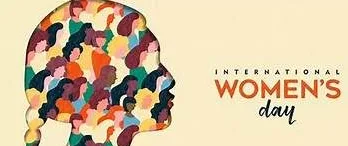
International Women’s Day: March 8
International Women’s Day originated during the early 20th-century labor movements in North America and Europe, amid demands for voting rights and better working conditions. More than a century later, globally, women hold just 64 percent of the legal rights of men, with significant gaps remaining in leadership representation and pay.
For International Women’s Day 2026, there are multiple themes championed by different organizations. The most widely recognized comes from a global initiative called Give to Gain, a campaign encouraging a mindset of generosity, reciprocity and collaboration to advance women’s equality.
In other words: the way to accelerate opportunities for women is for individuals, organizations and communities to give support, be it mentoring, resources, advocacy or time.
In advance of the launch of its 2026 campaign, UN Women reported:
- No country on Earth has achieved full legal equality for women.
- If progress continues at its current pace, it will take 286 years to close legal protection gaps.
- In many countries, the law allows for child marriage — eroding the full potential of about 12 million girls every year.
Equality for Girls: Learn more about how UNICEF is working alongside partners to ensure that girls and boys worldwide have the same rights, resources and protections to reach their full potential
Rights. Justice. Action. For ALL Women and Girls — UN theme for International Women’s Day 2026
For International Women’s Day 2026, UN Women and other agencies are amplifying the call for dismantling barriers to equality, specifically discriminatory laws, weak legal protections and harmful social norms, and advocating for concrete actions and lasting systemic change to end violence, ensure access to justice and protect the human rights of all women and girls.
UN Women Australia is leaning into gender equality through systemic change with a campaign called Balance the Scales. The National Women’s History Alliance is championing women who are building systems for long-term sustainability.
Learn more: Rights. Justice Action. For ALL Women and Girls
What International Women’s Day recognizes and how it began
At its core, International Women’s Day is meant to celebrate women’s achievements and to rally for women’s equality. Rooted in over a century of fighting for women’s rights, the idea of a designated international day was first proposed by Clara Zetkin, a German activist, following a 1908 march in New York. The day was first celebrated in 1911 by over a million people in Austria, Denmark, Germany and Switzerland.
On March 8, 1917, women in Petrograd, Russia, went on strike for four days, ultimately winning the right to vote — a pivotal moment that led to March 8 being established as the official date for International Women’s Day.
The day was officially recognized by the United Nations in 1975. Since then, the day has become a global, mainstream event supported by governments, brands and activist groups. Today, it is a day of both celebration and activism around the world, recognized in many countries as an official holiday.
Ways to observe International Women’s Day
International Women’s Day is observed by people around the world, emphasizing learning, discussion and public awareness. Here are a few examples of how International Women’s Day is celebrated:
- Marches and rallies — organized demonstrations in cities worldwide to advocate for women’s rights and raise awareness on issues like pay inequality and gender-based violence
- Social media campaigns — using hashtags to share stories, highlight achievements and show solidarity for gender equality, often through the sharing of inspirational quotes for women, reflecting themes of confidence, resilience and “girl power”
- Giving gifts and flowers — a tradition in Italy has men giving women yellow mimosas; in other regions, flowers, chocolates or small gifts are exchanged as tokens of recognition and appreciation
- Supporting women-owned businesses — actively purchasing from local, women-led businesses and highlighting their products or services on social media
- Educational events and talks — hosting, attending or speaking at workshops, panel discussions and webinars that focus on women’s empowerment and history
- Fundraising — organizing events to raise money for non-profits dedicated to improving the lives of women and girls
- Workplace recognition — companies hold events, launch initiatives and provide training to foster inclusive, equitable environments
Learn how Together for Girls, in partnership with UNICEF USA and others, is bringing attention to the issue of sexual violence against children, particularly girls, by supporting country driven efforts for change
What International Women’s Day means for women and girls today
While the women’s movement has made progress, there is still a lot of work to be done. International Women’s Day is a critical call to action, empowering women and girls by highlighting achievements in STEM (science, technology, engineering and mathematics), politics and business while advocating for urgent changes in safety, pay equity and representation.
Globally, girls continue to face many barriers to education. In many parts of the world, the majority of household chores fall to girls, leaving them less time for learning. Girls face pressure to go to work or marry when families fall into poverty, instead of focusing on their schooling.
For many women and girls today, International Women’s Day is a beacon of hope — celebrating the progress that has been made and looking forward to the work that still needs to be done to achieve equality for all women and girls.
Learn about how UNICEF supports girls education and skills building
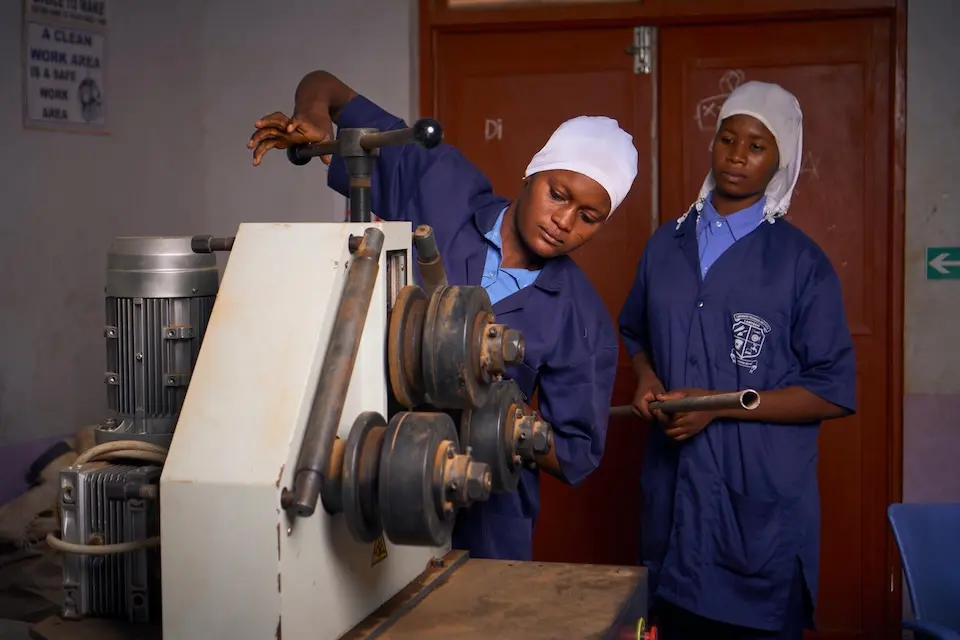
UNICEF works in over 190 countries and territories to create a more equitable world where children are healthy, educated, protected and respected. Learn more.
Credit to UNICEF