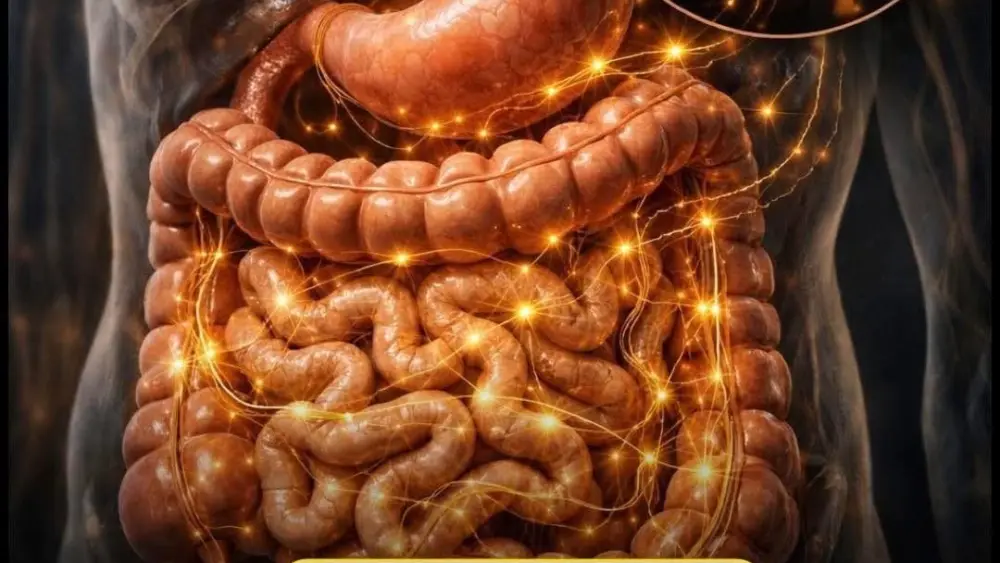
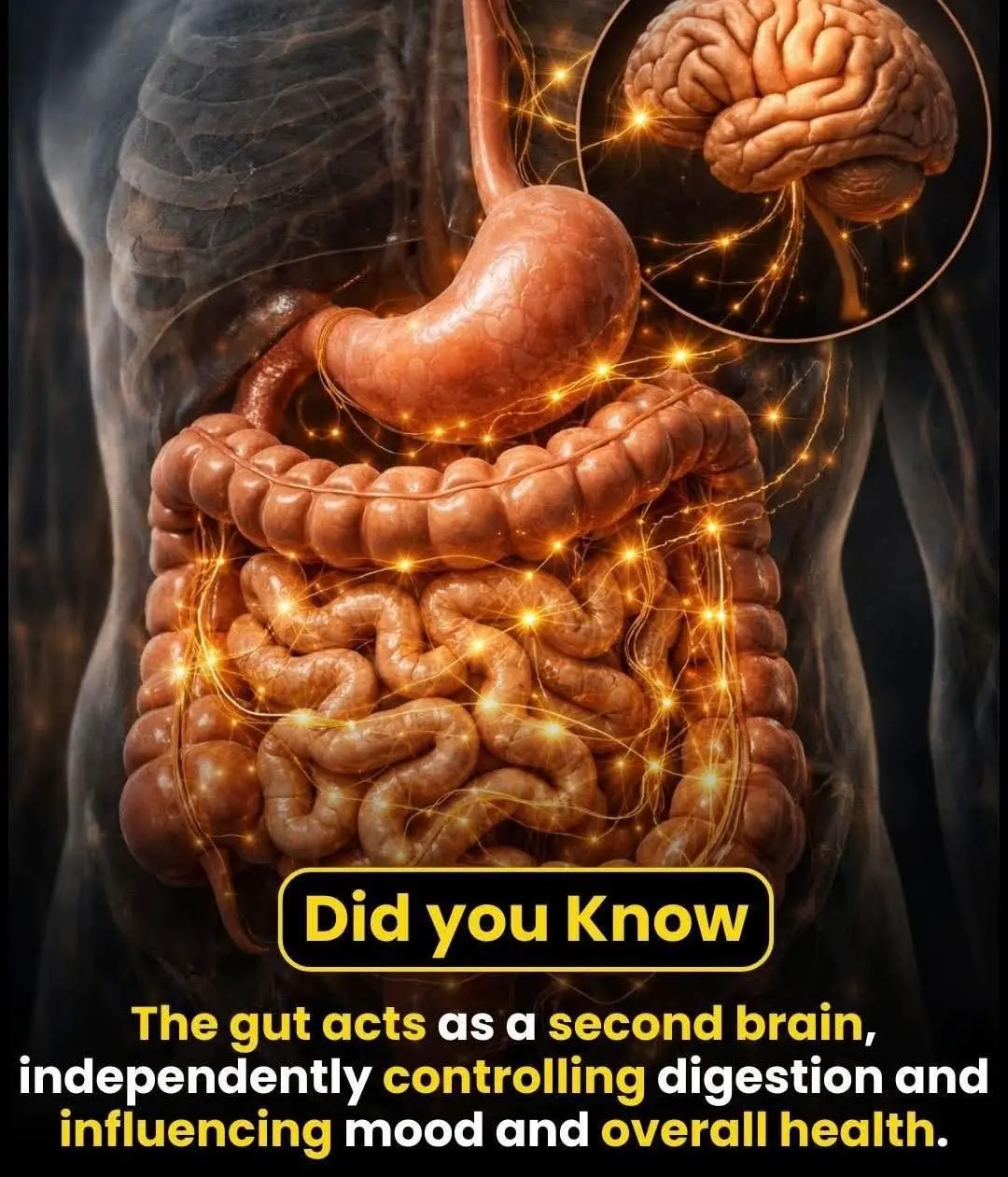
The gut is often called the body’s “second brain,” and modern neuroscience strongly supports this claim. Within the digestive tract lies the Enteric Nervous System (ENS), an extensive network of roughly 500 million neurons—more than are found in the spinal cord. This system functions largely independently, regulating digestion, motility, enzyme release, nutrient absorption, and intestinal blood flow without constant direction from the brain.
Equally significant is the gut–brain axis, one of the most important discoveries in neuroscience. The gut and brain communicate continuously through the vagus nerve, hormonal signaling, immune pathways, and the gut microbiome. This explains why stress can disrupt digestion—and why gut health profoundly influences mood, emotional regulation, anxiety, and depression.
The gut also produces up to 90 percent of the body’s serotonin, a neurotransmitter essential for emotional balance, sleep quality, and overall well-being. As a result, growing research links gut dysfunction to conditions such as IBS, brain fog, chronic inflammation, autoimmune disorders, and even neurodegenerative disease. While the gut does not think like the brain, it operates as a highly intelligent, self-regulating system—constantly sending signals that shape how the body feels, responds, and performs.
For this reason, optimizing gut health has become a central focus in functional medicine, longevity science, and preventive care—now widely recognized as a foundational step toward both physical vitality and mental resilience.
For more information you can follow Dr.Kaveh on Instagram @dr.kaveh.coaching