

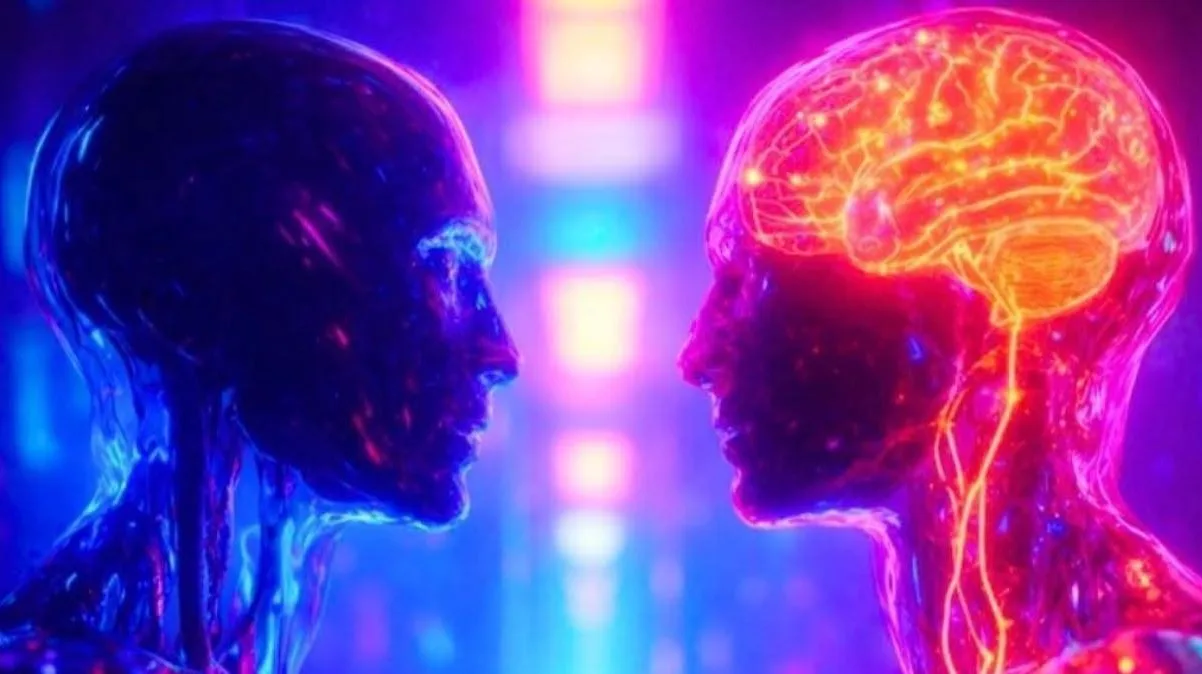
Your brain doesn’t resist change because you’re weak.
It resists because the future version of you is unfamiliar.
The brain is wired for safety and predictability. Neuroscience shows it relies on past experiences to anticipate outcomes. When you aim to become more confident, successful, or disciplined—someone you’ve never been before—the brain may interpret that new identity as a potential threat, even if the change is positive. This isn’t self-sabotage. It’s biology.
Psychology calls this cognitive homeostasis—the brain’s drive to keep your identity, habits, and behavior consistent. When you challenge that equilibrium by changing careers, standards, or lifestyle, the brain often responds with fear, doubt, or procrastination. These reactions are protective, not signs of failure.
Research on neuroplasticity shows the brain changes through repetition. Visualization, rehearsal, and small consistent actions allow the nervous system to experience a new identity safely. As familiarity increases, resistance fades and motivation rises.
That’s why growth feels uncomfortable before it feels empowering.
The brain doesn’t block your evolution—it delays unfamiliar identity shifts until they feel safe. Transformation begins when repetition turns the unfamiliar into the new normal.