
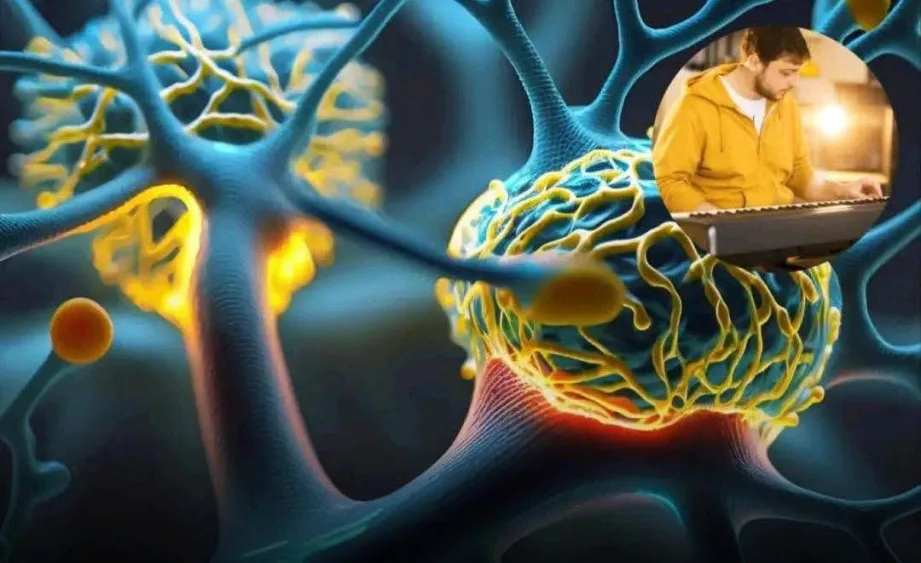
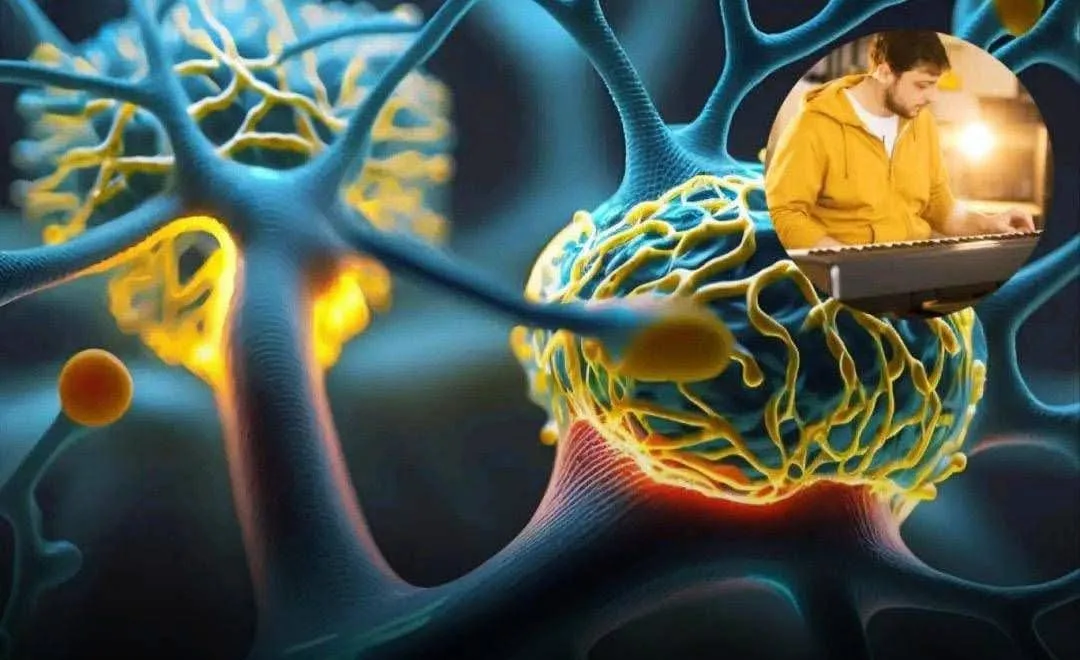
Research shows that learning to play a musical instrument in adulthood is linked to a significant reduction in dementia risk, with some studies reporting reductions as high as 64%.
Music training strengthens neuroplasticity, the brain’s ability to form new neural connections and reorganize existing pathways. Studies have also shown increases in gray matter volume in regions responsible for higher cognitive function.
Playing an instrument challenges the brain in multiple ways at once. It improves memory, attention, processing speed, verbal fluency, coordination, and executive function. This type of mental stimulation helps build what researchers call “cognitive reserve,” which is the brain’s ability to adapt to aging and compensate for neurological changes over time.
Music also activates sensory, motor, emotional, and cognitive systems simultaneously. Few activities engage the brain with this level of complexity and coordination.
Beyond cognition, regular music practice has been associated with lower levels of stress, anxiety, and depression, all of which are linked to increased dementia risk.
Keeping the brain consistently challenged through music is one of the most powerful and enjoyable ways to support long term cognitive health.
Credit to :
DrKaveh Elahiyoun